
Knowing how to prepare for wisdom teeth removal can make the procedure smoother, reduce anxiety, and support a faster recovery. Whether your wisdom teeth are impacted, partially erupted, or causing discomfort, proper preparation plays a key role in a safe and successful experience.
Proper preparation is an important part of effective wisdom teeth management, helping reduce complications and support smoother healing.
At Mountain View Family Dental, we believe informed patients feel more confident and heal better. This guide walks you through everything you need to know before wisdom teeth removal--from pre-op instructions and technology considerations to safety tips and recovery planning.
Why Wisdom Teeth Removal Is Sometimes Necessary
Wisdom teeth, also known as third molars, typically emerge between the ages of 17 and 25. While some people never experience issues, many patients develop problems due to lack of space or improper tooth positioning. Impacted wisdom teeth can cause pain, damage nearby teeth, or lead to infections and cysts if left untreated. Because wisdom teeth are harder to clean, they can increase the risk of inflammation, infection, and gum disease, especially in the surrounding tissue.
Most people develop four wisdom teeth—two on the top and two on the bottom—but how many wisdom teeth a person has can vary, and some individuals may have fewer or none at all. When wisdom teeth are causing pain, infection, or damage to nearby teeth, having the wisdom teeth removed can help prevent future complications.
Common reasons for removal include:
- Impacted wisdom teeth trapped beneath the gums
- Crowding that threatens alignment
- Infection or gum inflammation
- Damage to nearby teeth
- Difficulty cleaning wisdom teeth properly
Wisdom teeth removal is considered a common procedure, especially for teens and young adults, and is routinely performed to prevent future pain, infection, and alignment problems.
While most cases do not result in long term complications, it is important to be aware of potential risks associated with surgical procedures. Nerve damage is a rare but serious complication that can occur during wisdom teeth extraction, potentially leading to numbness or tingling.
Impacted Wisdom Teeth
Impacted wisdom teeth occur when there isn't enough space in the mouth for the molars to emerge fully, causing them to become trapped in the surrounding bone or gum tissue. This can result in severe pain, swelling and even infection, making wisdom teeth necessary. Sometimes, impacted wisdom teeth may not cause immediate symptioms can still pose risks such as cysts or damage to other teeth. An oral surgeon can recommend the best solution for your case, which may involve sedation during your procedure.
How to Prepare for Wisdom Teeth Removal Before Your Appointment
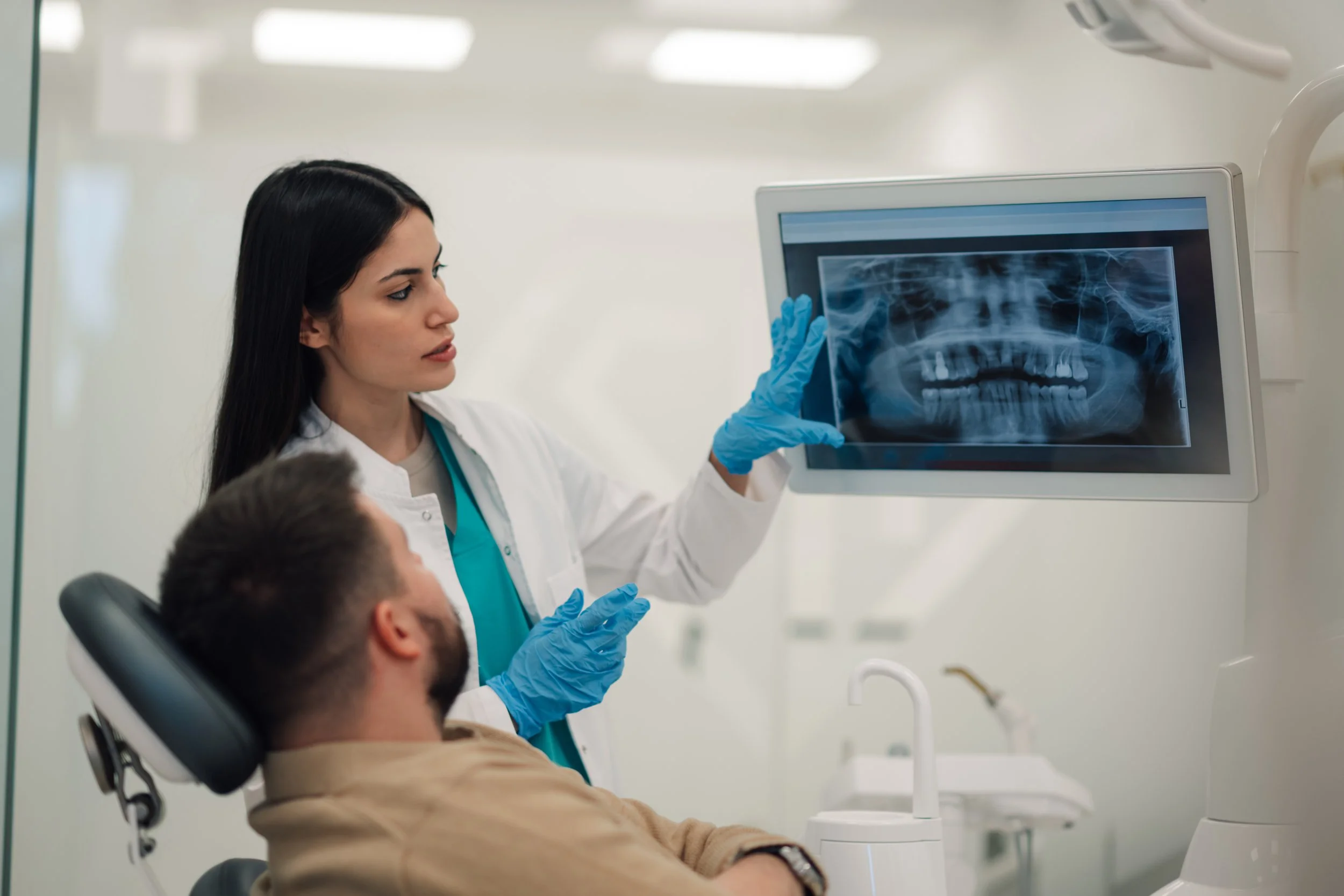
Preparation for wisdom teeth removal begins at your initial consultation, where your dentist reviews imaging, discusses anesthesia options, and provides personalized guidance for your procedure.
Understanding how to prepare for wisdom teeth removal begins several days before your procedure. In the days leading up to your appointment, it is important to follow instructions provided by your dentist to ensure a smooth procedure and recovery.
Your dentist will provide personalized guidance based on your treatment plan. These may include:
- Medication adjustments: Discuss all current medications, including certain medications and supplements, with your surgeon, as some may need to be paused before surgery.
- Fasting requirements if sedation is planned
- Instructions for managing existing health conditions
Your dentist will provide specific instructions based on your treatment plan, including medication use, fasting requirements, and activity restrictions.
Carefully following all pre operative instructions helps reduce complications and ensures your procedure and recovery go as smoothly as possible. Be sure to obtain any prescribed medications in advance to facilitate recovery and manage post-operative discomfort.
If you have questions or concerns, always contact your dental team ahead of time.
Medication and Health Considerations
Before wisdom teeth removal, be sure to:
- Provide a full list of medications and supplements
- Disclose allergies or medical conditions
- Ask about pausing blood thinners or anti-inflammatory medications
Your dentist may prescribe antibiotics or recommend pain management options in advance to support a smoother recovery.
For patients undergoing sedation dentistry, following medication guidelines is especially important for safety.
Eating and Drinking Before Wisdom Teeth Removal
One of the most important steps in preparing for wisdom teeth removal involves dietary planning, especially when you are scheduled for oral surgery. Dietary restrictions are especially important when general anesthesia is planned, as eating or drinking too close to the procedure can increase safety risks. If your procedure will be completed using local anesthesia, your dentist may allow a light meal beforehand, depending on your individual treatment plan.
Always follow your doctor's instructions regarding eating, drinking, and medication use before your procedure.
If You Are Receiving Sedation
- Do not eat or drink for at least 6–8 hours prior
- Avoid alcohol for 24 hours before your procedure
If You Are Not Receiving Sedation
- Eat a light meal a few hours before
- Avoid hard, crunchy, or sticky foods
Your dentist will let you know exactly what applies to your situation.
Arrange Transportation and Aftercare Support
Patients who receive general anesthesia will need a responsible adult to drive them home and remain with them for at least the first 24 hours.
If sedation or anesthesia is used, you will need:
- A responsible adult to drive you home. Arrange for a trusted adult to not only drive you home but also stay with you for at least 24 hours after the procedure.
- Someone to stay with you for the first few hours. It's important to arrange for someone to help during your recovery, not just with transportation.
After scheduling your wisdom teeth removal, contact your school or employer to book time off for your recovery.
Even without sedation, swelling and discomfort can limit your ability to drive safely. Planning ahead prevents unnecessary stress on the day of surgery. During your recovery period, avoid strenuous activities to promote proper healing.
Technology Used in Wisdom Teeth Removal
Modern dental technology plays a major role in accuracy, safety, and treatment planning when removing wisdom teeth.
Advanced Imaging for Precise Planning
Digital imaging allows your dentist to:
- Evaluate tooth position and root structure
- Identify nerve proximity
- Reduce surgical risks
- Customize the extraction approach
This technology improves outcomes, minimizes trauma to surrounding tissues, and enhances patient safety through detailed treatment maps.
What to Have Ready at Home Before Your Procedure
Preparing your home environment is a key part of learning how to prepare for wisdom teeth removal. Set up a recovery area at home with extra pillows to keep your head elevated and have ice packs on hand to help manage swelling after surgery. Make sure you have multiple ice packs ready in the freezer, as applying an ice pack to the affected area during the first 24-48 hours post-surgery can help reduce swelling and manage pain. Additionally, purchase appropriate post-procedure food before your wisdom teeth removal to ensure you have soft, easy-to-eat options available during your recovery.
As healing progresses, your dentist will guide you on when it is safe to transition from soft foods to more solid foods without disrupting the surgical site.
Supplies to Gather
- Ice packs or cold compresses
- Soft foods (yogurt, applesauce, soup, smoothies)
- Prescribed or recommended pain medication
- Gauze pads
- Extra pillows for head elevation
Having these items ready allows you to focus on rest immediately after your appointment.
Common Mistakes to Avoid Before Wisdom Teeth Removal
Avoid these common pitfalls:
- Skipping pre-op instructions
- Smoking or vaping before surgery
- Ignoring medication guidelines
- Failing to arrange transportation
- Waiting until pain becomes severe
- Using tobacco products before and after surgery, as this can significantly increase the risk of complications like dry socket
- Drinking through a straw for at least a week after surgery, since this can dislodge the blood clot and lead to dry socket
Dry socket is a painful condition that can occur if a blood clot dislodges from the extraction site. Dry socket can occur when the blood clot protecting the surgical site becomes dislodged, exposing bone and nerves and delaying healing.
For recovery, purchase soft foods like yogurt, applesauce, soups, mashed potatoes, and smoothies, but avoid using straws to prevent dislodging blood clots.
Being proactive is one of the most effective ways to ensure a smooth experience.
Frequently Asked Questions About Preparing for Wisdom Teeth Removal
How long before wisdom teeth removal should I stop eating?
If sedation is used, stop eating 6–8 hours before your appointment. Your dentist will provide exact instructions.
Can I take my regular medications before surgery?
Some medications may need to be paused. Always consult your dentist before stopping or continuing medications.
Should I take time off work or school?
Yes. Most patients benefit from 1–3 days of rest following wisdom teeth removal.
Is wisdom teeth removal safe?
Yes. With modern technology, careful planning, and experienced providers, wisdom teeth removal is considered a very safe procedure.
What age is best for wisdom teeth removal?
Late teens to early twenties is often ideal, but your dentist can evaluate the best timing for your needs.
Schedule Your Wisdom Teeth Consultation Today
Learning how to prepare for wisdom teeth removal empowers you to take control of your oral health and recovery. At Mountain View Family Dental, our team combines advanced technology, careful treatment planning, and compassionate care to ensure every patient feels informed and comfortable.
Personalized wisdom teeth management allows your dentist to plan treatment, recovery, and follow-up care based on your specific needs.
If you or your child may need wisdom teeth removal, contact Mountain View Family Dental today to schedule a consultation and take the first step toward a healthier smile.