

Mesa Wisdom Teeth Removal
If you’re curious whether you or your child will need to have wisdom teeth removed, we can help. At Mountain View Family Dental, we will assess your unique situation. If wisdom teeth removal is right for you, we can take care of it right here in our office.
Why Remove Wisdom Teeth?
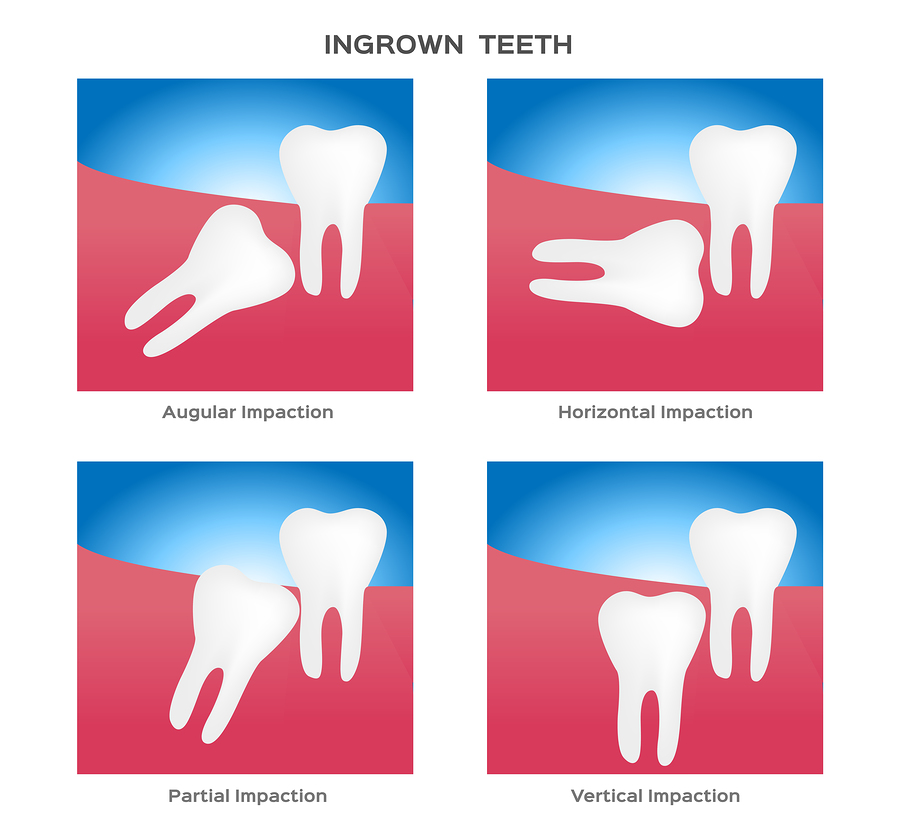
Wisdom teeth, known as third molars, typically emerge between the ages of 17 and 25. These molars were once essential for our ancestors, who had larger jaws and relied on a heavily meat-based diet. However, modern diets and evolution have rendered wisdom teeth largely unnecessary, and having them removed is a common procedure to prevent potential dental issues.
While not everyone needs their third molars removed, many people lack enough space in their mouth to accommodate them. When there isn’t adequate room for wisdom teeth to emerge properly, they can become impacted. Impacted or partially emerged teeth can cause problems such as chronic pain, smile misalignment, tooth decay, gum disease, damage to tooth structure, and cyst formation.
Chronic Pain
Impacted teeth often cause persistent discomfort, ranging from dull aches to sharp, stabbing pains. This chronic discomfort can affect daily activities such as eating, speaking, and even sleeping, significantly impacting quality of life.
Smile Misalignment
Impacted teeth can exert pressure on adjacent teeth, causing them to shift out of alignment. This misalignment can lead to crowding, bite problems, jaw pain, and difficulties with chewing and speaking.
Tooth Decay
Because partially erupted teeth can be difficult to clean properly, they will tend to accumulate plaque and food debris. This can increase the risk of tooth decay, particularly in hard-to-reach areas, and may result in cavities, infections, and deterioration of tooth structure.
Gum Disease
Impacted teeth can create pockets between the gums and teeth, providing a breeding ground for bacteria. This can increase the risk of gum disease, which is characterized by inflammation, bleeding gums, and eventually tissue and bone loss in the affected area.
Damage to Tooth Structure
The pressure from impacted teeth can lead to the resorption of adjacent tooth roots or bone tissue, compromising the structural integrity of the jaw.
Cyst Formation
When a tooth becomes impacted, fluid-filled sacs or cysts may develop around it. In rare cases, these cysts can grow larger, potentially causing damage to surrounding bone and tissues.
Untreated impaction can exacerbate these issues over time, potentially leading to more severe complications and necessitating more invasive treatments to address the resulting damage. Early intervention is essential to prevent these problems and maintain optimal oral health.
When Should Wisdom Teeth Be Removed?
Determining the best age to have wisdom teeth removed is important to ensure a smoother extraction process and minimize the risk of complications. While individual circumstances may vary, the consensus among dental professionals is that the ideal timing for this procedure is typically during the late teens to early twenties. We recommend this timing for the following reasons:
- Easier Extraction: Softer, more flexible tooth roots and a lower bone density simplify extraction in younger patients.
- Lower Risk of Complications: Chances of nerve damage, bleeding, and post-operative pain are greatly reduced when extraction is done during this period.
- Smoother Recovery: Easier extraction leads to improved outcomes.
- Issue Prevention: Early removal prevents infections, crowding, and damage to nearby teeth.
Having wisdom teeth removed is often seen as an inconvenient or unpleasant experience, but in reality, most patients experience little to no pain. And when taken care of early, both surgery and recovery are much simpler.
Wisdom Teeth Removal: Our Process
Evaluation
To assess your unique situation, we’ll first perform a comprehensive evaluation. This includes thoroughly examining your oral health, including the positioning and alignment of your wisdom teeth. We’ll also take x-rays to obtain detailed images of your teeth. This thorough assessment allows us to determine your best course of action, considering factors such as tooth impaction, root development, and any existing oral health concerns. If wisdom teeth removal is recommended for you, your next visit will be for your surgery.
Surgical Procedure
During your surgery, our oral surgeons will remove your wisdom teeth. To keep you comfortable, we offer nitrous oxide as well as oral and IV sedation. To learn more about our sedation options, visit our Sedation Dentist page.
After Your Surgery
After your surgery, we’ll give you all the care instructions you’ll need to facilitate a smooth and comfortable recovery. This includes guidance on managing pain and swelling as well as instructions for proper wound care to prevent infection. Additionally, we may prescribe medications or recommend over-the-counter remedies to alleviate discomfort and promote healing.
Post-Operative Care
Follow these guidelines to promote healing after surgery:
- Rest: Take it easy the day of surgery, and be attentive to how you feel before easing back into activity.
- Monitor Bleeding: Expect some bleeding for the first couple of days. If you experience dark red blood clots, bite on gauze or a folded-up paper towel and lie still for at least 45 minutes. Call us if the problem persists.
- Eat Soft Foods: Eat a soft food diet the day of your surgery, and continue on it until normal eating is comfortable.
- Avoid Suction: Suction can dislodge blood clots or interfere with healing. Do not use a straw to drink liquids.
- Keep the Area Clean: Rinse with salt water and brush with a soft toothbrush, being careful not to disturb the sutures.
- Take Medication: Take pain medication as prescribed to manage discomfort.
Use Ice Packs: Ice packs used as needed the first day or two can help reduce swelling.
Avoid Smoking: Smoking can dislodge blood clots and hinder healing.
- Follow Care Instructions: Follow all post-operative instructions provided by your dentist.

Soft Food Diet
Adhering to a soft diet is necessary after oral surgery to ensure proper healing and minimize discomfort. Eating soft, easy-to-chew foods helps decrease pressure on the healing gums and reduces the risk of disturbing the surgical area. Here are some examples of soft foods that promote proper nutrition while supporting healing.
- Mashed Potatoes: Easy to swallow and gentle on sensitive gums.
- Yogurt: Provides calcium and protein.
- Smoothies: Incorporate a variety of fruits, yogurt or milk, and leafy greens.
- Soups: Choose broth-based or blended soups free of large chunks or hard ingredients.
In addition to eating soft foods, be sure to drink plenty of water throughout the day, as adequate hydration supports healing and overall health. Avoid excessively hot or spicy foods, which may cause discomfort or irritation.
Wondering About Your Wisdom Teeth?
If you’re wondering if wisdom teeth removal is right for you, give us a call to schedule your initial exam. Or feel free to request an appointment online, and we’ll contact you to set one up.