459 North Val Vista Drive | Mesa, AZ 85213 | 480-830-0262 Book an Appointment

Sedation Dentistry in Mesa, AZ

A Dentistry Experience Without Fear

Dental appointments shouldn't be stressful. At Mountain View Family Dental, they aren't.

We help you keep calm, stay comfortable, and feel confident every step of the way with an array of personalized sedation dentistry options. Our sedation choices give you the care you need without fear or discomfort, whether you're anxious about the dentist, have a sensitive gag reflex, or need multiple treatments at once.

We make it our mission to give every patient a safe and supportive environment through the care of our compassionate and experienced team. Oral sedation, laughing gas, IV sedation, and other options help us tailor your experience to your needs so you can relax in the chair.

Discover a dental office in Mesa, AZ, that puts your comfort first.

Benefits of Sedation Dentistry

Sedation dentistry offers more than just relaxation—it transforms your entire experience at the dentist:

  • Eases Anxiety: Say goodbye to stress and fear
  • Efficient Care: Allows more work to be completed in one appointment
  • Memory-Free Experience: Most patients remember little to nothing about the procedure
  • No Pain or Discomfort: Enjoy a pain-free visit from start to finish
  • Time Flies: Many patients feel like the appointment only lasted a few minutes
  • Comfortable Environment: Feel at ease while we care for your smile

Whether you need a simple cleaning or a more complex procedure, sedation dentistry helps make your appointment feel easy and comfortable.

Why Choose Mountain View Family Dental?

We know the dentist can be intimidating, and we want to change that. We want our patients to feel at ease in our office and know we'll keep them safe during every visit.

Our team is highly trained in sedation techniques and dedicated to providing expert, compassionate care. We take time to explain your options, answer questions, and walk you through every step of the process so you never feel alone.

We use advanced technology, such as X-rays and 3D scans, and precise planning to ensure you receive safe and efficient care. Every patient is different, which is why we customize your dental treatments to match your needs, health history, and preferences.

When it comes to cost, we work to provide the highest value possible. We're in-network with most major insurances, making dental care affordable for all of our patients.

What Is Dental Anxiety?

Dental anxiety is very common, and it can vary in severity. For some, it's a mild case of nerves. It's a paralyzing fear that can keep them from seeking care for others. Triggers can include:

  • The thought of being at the dentist
  • Specific sights or sounds, like drills or bright lights
  • Previous traumatic dental experiences
  • Difficulty getting numb or fear that anesthesia won’t work
  • Sensitive teeth or a strong gag reflex

Sedation dentistry, patient education, and a kind, supportive team can ease even the deepest fears and make your consultation stress-free.

We get it—and we're here to help. You're not alone, and your safety and comfort are our priority.

The Basics of Sedation Dentistry

Sedation dentistry uses medication to help patients relax during dental procedures. It's not putting you to sleep or going under unless general anesthesia is required. It's about making you feel calm and pain-free so the dentist can complete the procedure with ease.

Many people experience dental anxiety, which can make them avoid regular visits—leading to serious oral health issues. Going too long between visits can turn small issues into large ones. It's important to keep the cadence of twice-yearly dental visits.

Dental sedation can be a game-changer to help ease your mind, reduce discomfort, and allow your dentist to complete procedures in fewer visits.

Sedation dentistry is the solution you've been looking for if you've delayed dental procedures because of fear, sensitivity, or past negative dental experiences.

How Does Sedation Dentistry Work?

Sedation dentistry involves taking medications to help relax during dental treatments. You remain conscious during the treatment. It's often used for fearful patients with dental anxiety, tooth sensitivity, or those undergoing extensive procedures.

At Mountain View Family Dental, we offer three types of sedation options—oral sedation, nitrous oxide (laughing gas), and IV sedation.

How Dental Sedation Works

Each sedation method is administered differently. Oral is taken as a pill, nitrous oxide is inhaled, and IV sedation is delivered through a vein. While the level of sedation varies, all of them keep you relaxed and stress-free in the dentist's chair.

  • Oral Sedation: Helps you feel deeply calm and may make you drowsy
  • Laughing Gas: Keeps you relaxed and wears off quickly
  • IV Sedation: Ideal for more complex treatments and offers deeper sedation under close supervision

No matter the method, your safety and comfort during dental procedures are our top priorities.

Oral Sedation

Oral sedation involves taking a prescribed pill before the appointment. You'll remain awake, but deeply relaxed—many patients fall asleep.

You'll take the oral medication about an hour before the dental treatment, and will need someone to drive you to and from the appointment. You may feel drowsy, calm, and a bit detached. Time will seem to pass quickly, and you may not remember the procedure.

This sedation is ideal for moderate to severe anxiety because it provides deep relaxation without the need for needles. It is safe when administered under professional supervision. We carefully review your medical history before recommending it.

Laughing Gas (Nitrous Oxide)

Laughing gas is a light sedative breathed in through a nose mask. It takes effect in minutes and wears off quickly after treatment.

You'll inhale a mixture of oxygen and nitrous oxide, helping you relax while staying conscious and responsive. A feeling of calm, slight euphoria, and reduced awareness will set in. It's a fast-acting method that wears off quickly, so you won't need anyone to drive you home.

Nitrous oxide is perfect for adults or children with mild anxiety. This is also the safest sedation method available—but we still carefully monitor you throughout the procedure.

Intravenous (IV) Sedation

IV sedation is the deepest level of conscious sedation without full anesthesia. It's ideal for lengthy or complex procedures.

A sedative is delivered through a vein, usually in your arm. You'll be in a deeply relaxed state but can still respond to prompts. You may fall into a light sleep or feel as though the appointment never happened. It's excellent for high-anxiety patients or those going through extensive dental work.

The drug is administered by trained professionals who are constantly monitoring your vitals. IV sedation is very safe in the hands of our experienced providers.

Who Should Use Sedation Dentistry?

Sedation dentistry is for any patient who feels anxiety, uncomfortable, or overwhelmed at the thought of a dental visit. Ideal candidates include:

  • Patients with dental anxiety or phobia
  • People with very sensitive teeth or gag reflexes
  • Those with low pain tolerance
  • Individuals with ADHD or trouble sitting still
  • Anyone undergoing complex or multiple procedures in one visit

Sedation dentistry can make all the difference if you’ve ever avoided the dentist because of fear or discomfort. Our team will help you decide which option best suits your situation, health, and comfort level.

Comfortable, Compassionate Dental Care Starts Here

If you’ve been putting off dental work because of anxiety or discomfort, you don’t have to anymore. Sedation dentistry at Mountain View Family Dental in Mesa, AZ, can help you feel calm, relaxed, and in control.

Contact us today to schedule your consultation and discover how sedation dentistry can change the way you feel about visiting the dentist, whether you need a routine cleaning or cosmetic dentistry.
What to Expect with All-on-4 Dental Implants

You know how difficult life can be if you’ve experienced traditional dentures.

Dentures that slip and slide around can be uncomfortable and embarrassing in social situations. The fear of loose dentures can also keep you from living fully—you might be unable to eat your favorite foods, feel nervous in public, or have trouble speaking.

Thankfully, All-on-4 dental implants are here to solve these issues. All-on-4 dental implants can replace a full arch of unhealthy or missing teeth—around 10-14 teeth—supported by just four dental implants.

This is an alternative to traditional dentures or individual tooth implants for those with missing or damaged teeth. It is often referred to as full arch rehabilitation. The four implants are strategically placed in the jawbone for a stable and fixed dental bridge for the new teeth that can help promote new bone growth.

At Mountain View Family Dental, we help restore your smile with All-on-4 dental implants. Let us share more about this revolutionary treatment and permanent solution for your smile.

What are All-on-4 Dental Implants?

All-on-4 dental implants provide an innovative method for replacing an entire arch of teeth with just four strategically placed implants.

Instead of replacing each tooth with a separate implant, this tooth replacement method uses four titanium posts that are anchored with screws placed strategically in the jawbone to support a full set of fixed, natural-looking teeth.

This dental implant option is a secure solution that works just like permanent teeth. You don’t have to remove them for cleaning or worry about slipping and discomfort like traditional dentures because the teeth are fixed in place.

All-on-4 is less invasive than using multiple single-tooth implants. It can help patients who’ve experienced jawbone loss without needing bone grafts. The placement of each dental implant helps maximize the existing jaw bone, preventing bone loss better than other implant procedures.

Compared to other tooth replacements, All-on-4 is usually an easier procedure than some options. It requires fewer implants, less surgery time, and often reduces the need for extra steps like bone grafts, delivering a shorter treatment time. That means a faster recovery period and fewer appointments overall.

All-on-4 is a life-changing option for restoring your smile, with fewer dental implants, faster healing, and long-lasting results.

Benefits of All-on-4

  • Feel Like Natural Teeth: All-on-4 implants look, feel, and function like natural teeth. They provide a strong bite without shifting or clicking because they are attached directly to the jawbone. You can confidently smile, speak, and eat without the discomfort or insecurity of traditional dentures.
  • No Adhesives Needed: Regular dentures often use sticky pastes or adhesives to stay in place. That’s not necessary with All-on-4. These dental implants are permanently anchored in your lower or upper jaw with titanium screws, so your new teeth stay exactly where they should all day, everyday.
  • Fast Results: Most patients receive their dental implants and walk out with a new set of teeth in a single day. This approach makes All-on-4 one of the quickest full-mouth restoration options available, reducing downtime and delivering instant confidence.
  • Quick Healing Time: Because the procedure uses only four implants and avoids extensive surgery, it’s less invasive than other implant procedures. This makes it more comfortable, reduces the number of appointments, and has a faster healing process.
  • Prevents Further Bone Loss: One major benefit of All-on-4 implants is jawbone stimulation, like natural tooth roots. This helps prevent bone shrinkage and facial sagging that may happen after tooth loss. All-on-4 dental implants help preserve your natural structure and promote long-term oral health.
  • Eat Most Foods Without Worry: All-on-4 implants are strong and stable, allowing you to enjoy your favorite foods that are normally tough with dentures.
  • Durable and Long-Lasting: Made from high-quality, medical-grade materials, All-on-4 dental implants are built to last. Your implants stay strong and functional for decades with proper care and regular dental appointments.
  • Easy to Care For: All-on-4 dental implants can be brushed and flossed like regular teeth, unlike removable dentures that require soaking and special cleaning solutions. Your daily oral hygiene routine stays simple, making caring for your artificial teeth easy.

All-on-4 vs Traditional Dentures

Traditional dentures have long been used to replace missing or unhealthy teeth, but have several drawbacks.

Dentures rest on the gums and do not stimulate the jawbone, which can lead to ongoing loss of bone. They often require themselves to stay in place, must be removed for cleaning, and can slip or fall out during speaking or eating. Traditional dental implants can make certain foods difficult to eat, like crunchy or chewy items. Dentures also need to be replaced every few years.

All-on-4 dental implants have a modern, fixed alternative. They preserve the jawbone and have no need for adhesives, no risk of shifting, and no nightly removal. You can eat virtually any food, clean your teeth normally, and enjoy a beautiful smile long-term.

The All-on-4 Dental Implant Procedure

The All-on-4 dental implant procedure begins with a thorough examination and consultation.

Your dentist will evaluate your oral health, take detailed X-rays, and use 3D imaging to assess your bone structure during your initial consultation. These tools help determine whether you’re a good candidate for All-on-4 and discuss various treatment options, allowing your team to plan the procedure with precision.

One of the benefits of this method is that it works well with patients who have some bone loss, potentially avoiding the need for bone grafting. The implants help promote good jaw development with their positioning in the mouth.

An experienced oral surgeon will perform the procedure once you’re cleared for treatment. Four titanium implants are placed in the jaw—two at the front and two angled in the back to maximize contact with the bone. These implants create a strong foundation for your new smile.

A set of temporary teeth is attached the same day in many cases, so you leave the office with a complete set of functional, natural-looking teeth. Over the next few months, your mouth will heal, and implants will integrate with the bone.

Once healing is complete, your permanent teeth will be custom-fitted and attached to complete your transformation. Follow-up appointments will ensure the teeth are bedding in well.

Preparation for Your Dental Implant Surgery

Properly preparing for All-on-4 dental implant surgery is crucial to ensure a smooth and successful procedure.

Here are some steps you can take to prepare for your surgery:

  • Keep Up Excellent Oral Hygiene: In the days leading up to your procedure, brush thoroughly twice a day and floss daily. Maintaining a clean mouth helps reduce bacteria, lowering the risk of infection during and after implant placement.
  • Share Your Medical History: Let your dental implant specialist know about any health conditions, medications, or recent surgeries. They may consult with your physician to ensure the procedure is safe and tailor your care plan as needed.
  • Follow Medication Guidelines: Your dentist may advise you to pause certain medications or supplements, such as aspirin or blood thinners, that can increase bleeding risk. Always follow these instructions carefully and ask if you’re unsure about anything you're taking.
  • Reduce or Stop Smoking: Smoking interferes with healing and raises the risk of implant failure. If possible, reduce or quit smoking before and after surgery to support better recovery and long-term results.
  • Plan for Recovery: Arrange for a friend or family member to drive you home, especially if you’ll be sedated. Set up a cozy recovery area with pillows, ice packs, and any prescribed medications ready to go.
  • Prepare Soft Foods: Stock your fridge with gentle options like soups, smoothies, yogurt, and mashed veggies. These will be easier to eat while your mouth heals and reduce strain on your new implants.
  • Ask Questions: Don’t hesitate to voice concerns or ask questions before surgery. Understanding the procedure and knowing what to expect can ease anxiety and help you feel fully prepared.

What Happens After All-on-4 Dental Implant Surgery?

After your All-on-4 procedure, your mouth will need time to heal. Most patients can expect a healing period of about three to six months.

During this time, your jawbone and gums heal gradually, and a process called osseointegration takes place—this is when the titanium implants fuse with your jawbone to create a strong, lasting foundation.

You’ll be fitted with temporary teeth during this phase so you can smile and eat comfortably while you heal.

Once osseointegration is complete, your permanent, custom-designed teeth will be attached, giving you a beautiful and functional new smile.

Are All-on-4 Dental Implants Right for Me?

You may be a good candidate for All-on-4 dental implants if you’re dealing with missing, severely decayed, or broken teeth or if your teeth feel loose due to gum disease.

This treatment is also a great option for patients currently wearing dentures or experiencing jawbone loss, which can make traditional methods more difficult.

All-on-4 Works Without Bone Grafting

All-on-4 dental implants are specifically designed to provide support in the upper or lower jaw even when bone loss is present, often without the need for grafting.

If you're seeking a permanent, low-maintenance solution that looks and feels natural, All-on-4 dental implants may be the ideal path to restoring your smile.

Choosing the Right All-on-4 Dentist

Selecting the right dentist for your All-on-4 procedure is critical to ensure long-term success.

Look for someone who is surgically trained and has experience with cosmetic restoration. A skilled oral surgeon will understand both the medical and aesthetic aspects of treatment, so your new smile is as functional as it is beautiful.

Proper implant positioning is essential to long-term comfort, bite strength, and the overall success of your prosthetic. Your dentist should also know how to avoid potential complications, such as nerve interference or sinus involvement, and be prepared to tailor the treatment to your unique jaw structure and bone density.

Ask about the oral surgeon's experience with All-on-4 cases, review before-and-after photos, and don’t hesitate to get a second opinion if needed. When you choose a knowledgeable, well-trained implant specialist, you’re investing in peace of mind—and a smile that can last a lifetime.

All-on-4 at Mountain View Family Dental

At Mountain View Family Dental, we bring advanced skills, expert care, and the latest technology to deliver life-changing All-on-4 dental implant treatment plans.

Our team is trained in both surgical and cosmetic aspects of implant dentistry, ensuring your new smile is strong, functional, and beautifully natural. We use state-of-the-art digital imaging and planning tools to place implants precisely for optimal long-term results.

Just as important, we believe in clear communication and compassionate care—you’ll always know what to expect, and we’ll be with you every step of the way.

We’re committed to giving you the highest value possible: expert service, lasting results, and a smile you’ll love.

Restore Your Smile with Confidence

At Mountain View Family Dental, our combination of surgical precision, advanced technology, and caring communication sets us apart.

If you’re ready to explore whether All-on-4 dental implants are right for you, we’re here to help.

Contact us today to schedule your consultation and take the first step toward a healthier, happier smile.

Sensitive Teeth: How To Make Dental Cleanings Less Painful

If you’ve ever felt the sting of sensitive teeth, you know what a painful experience it can be. One moment, you’re enjoying your favorite food or sipping a cold drink, and you’re the victim of a terrible toothache the next.

Tooth sensitivity occurs because of worn-down tooth enamel, which leaves dentin and nerve endings exposed. These parts of your teeth are sensitive to hot and cold temperatures, air, and other stimuli.

Because of this, dental cleanings and oral health procedures can become very painful. The poking, scraping and polishing that occurs in a cleaning can become an anxiety-inducing experience, always wondering when the pain will hit.

At Mountain View Family Dental, we understand the pain of sensitive teeth, and we’re here to help. We can accommodate your needs to make dental cleanings less painful for you, and offer tips to reduce tooth sensitivity over time and maintain optimal oral health along the way.

Communication With Your Dentist

One of the most important aspects of reducing tooth sensitivity is to communicate your concerns to us before a professional cleaning. We won’t know we’re approaching a sensitive area in your mouth unless you say so.

We’ll ask you about any concerns at the beginning of your appointment. This is the perfect time to mention where you’re experiencing sensitivity in your mouth and your sensitivity triggers.

From there, we can adjust our cleaning process to be more gentle and careful around the sensitive areas while still keeping them clean. Never be afraid to tell us you’re uncomfortable—we want to make your dental cleaning as easy and painless as possible, and we’ll find a method that works for you.

Mitigating Tooth Sensitivity During Dental Cleanings

We have several different methods for reducing sensitivity during cleanings, ranging from topical treatments to medication and sedation. Together, we’ll find the option that’s best for you.

Desensitizing Gel

We can use desensitizing gels to reduce sensitivity during your teeth cleaning. These gels fill the dentinal tubules to block pain signals from reaching the nerves or by desensitizing the nerve endings, making them less responsive to external stimuli. Some gels also help strengthen the enamel to add more protection.

During the appointment, your dentist or dental hygienist applies the gel to your teeth for added comfort during the cleaning. You can also use desensitizing toothpaste at home. Simply brush as normal with this toothpaste and enjoy daily sensitivity prevention that lasts over time.

Pain Medication

For pain relief during a dental cleaning, you can take over-the-counter pain relievers like Advil or Tylenol before or after your visit. Adding sensitive or fluoride toothpaste will take it one step further to prevent further irritation. Always take just the recommended dosage of these medications and combine it with good oral hygiene for the best result.

In extreme cases, a doctor can prescribe extra-strength medication for tooth sensitivity, which can be taken ahead of your visit to reduce pain more effectively and for longer periods.

Regular Cleanings

You can also improve your tooth sensitivity simply by keeping regular dental appointments. When you come to see us every six months—and maintain great oral hygiene between visits—there will be less plaque and tartar buildup on your teeth. This means we’ll have less to scrape off during your visit to keep your teeth healthy, which means less stimuli for your sensitive teeth and a much easier visit for you.

Maintaining regular cleanings also helps us ensure your teeth aren’t developing cavities, which can add to sensitivity. The earlier we detect and treat cavities, the less likely you are to develop more tooth pain. Avoiding dental cleanings will only lead to more dentin exposure.

Sedation Dentistry

In particularly bad cases of tooth sensitivity, we can also use sedation to make your dental appointments easier and minimize discomfort. Sedation dentistry is used to keep the patient relaxed during a procedure to make the process easier for both the patient and the dentist.

Sedation dentistry doesn’t always mean you’ll be asleep. Most of the time, patients remain awake but deeply relaxed. You’ll be able to respond to questions, but won’t be bothered by sights, sounds, or sensations occurring during the appointment.

For people with sensitive teeth, sedation can be a great tool because it reduces the awareness of pain during a dental procedure and keeps you relaxed throughout the process.

Types of Sedation Dentistry

There are several levels of sedation, each suited to different comfort levels and procedures:

  • Nitrous Oxide (Laughing Gas): A mild sedative inhaled through a small mask to relax you during treatment. This sedation wears off quickly, so you can even drive yourself home
  • Oral Sedation: You’ll take a pill before the appointment. It provides a deeper level of relaxation—you’ll feel drowsy but remain awake and aware
  • IV Sedation: This method is delivered directly into the bloodstream for a faster, more intense effect. You may feel like you’re asleep or barely remember the procedure
  • General Anesthesia: This method is reserved for more complex cases. It renders you completely unconscious. This option is typically performed in a hospital or surgical center setting

Mountain View Family Dental offers nitrous oxide, oral, and IV sedation for treating sensitive teeth. We can determine if sedation dentistry is a helpful tool for you.

Managing Sensitivity and Its Causes

Tooth sensitivity can feel like a sharp, sudden jolt—especially when eating or drinking something hot, cold, sweet, or acidic.

This discomfort usually stems from worn enamel or exposed dentin, the layer of tissue beneath your tooth's outer shell. When the enamel wears away, tiny openings in the dentin allow temperature changes and certain foods to reach the nerve endings inside your teeth, triggering pain.

Common causes of sensitive teeth include enamel erosion, along with other factors:

  • Worn Enamel: Often because of aggressive brushing, using a hard-bristled toothbrush, or consuming acidic foods and drinks
  • Gum Recession: Exposed tooth roots occur when gums pull away from the teeth. Roots don’t have protective enamel
  • Tooth Decay or Cracked Teeth: These can expose the inner layers of the tooth
  • Teeth Grinding (Bruxism): This habit can wear down enamel and increase sensitivity
  • Poor Oral Hygiene: Skipping brushing or flossing can lead to plaque buildup, cavities, and gum disease—all of which can worsen teeth sensitivity

Day-to-day tips to manage tooth sensitivity:

  • Use a toothpaste designed for sensitive teeth (often contains potassium nitrate or stannous fluoride)
  • Brush with a soft-bristled toothbrush using gentle pressure
  • Avoid acidic foods and drinks, such as soda, citrus, and wine
  • Don’t skip regular dental cleanings because they help prevent and catch issues early.
  • Talk to your dentist about fluoride treatments, desensitizing toothpaste, or dental sealants that can help protect sensitive areas, strengthen enamel, and reduce sensitivity
  • A night guard can reduce damage and discomfort if you grind your teeth.

With the right daily care and guidance from your dentist, sensitive teeth can be managed and protected, so you can get back to enjoying your favorite foods without hesitation.

Contact Us For Professional Treatments With Tooth Sensitivity

Sensitive teeth shouldn’t stand in the way of eating your favorite foods or visiting the dentist. We’re here to make your appointments easier with pain relief, help you reduce sensitivity long-term, and give you a healthy smile.

Contact us today with questions about keeping your smile pain-free.

How Dental Clinics Are Adapting to the Rise in Oral Cancer Screenings

Oral cancer cases have been on the rise at a rate of about 1% per year since the mid-2000s. This rise in the disease can be attributed to many factors, including tobacco use, alcohol consumption, dietary habits, middle age, and other linked conditions such as human papillomavirus (HPV). Oral cancer is considered deadly, with a five-year survival rate of about 68%.

Early detection is key when it comes to beating oral cancer. However, in the early stages, there are often no visible signs of oral cancer, or the signs seem like small, benign issues. These problems can further delay dental and medical professionals' attention. Dental offices need to constantly adapt to new technologies and screening techniques to stop oral cancer in its tracks.

As dentists, we take oral cancer very seriously. Although this topic can be grim, we empower our patients with the knowledge they need to decrease the risk of oral cancer. We also take preventative measures in our office to identify and prevent oral cancer risks.

Read on to learn how Mountain View Family Dental uses dental technology to screen for oral cancer and catch it early, along with how we as oral medicine specialists help you to prevent this disease from interrupting your life.

The Growing Need for Oral Cancer Screenings

The need for comprehensive oral cancer screenings is increasing, particularly among young adults. This increase can be attributed to risk factors such as:

  • HPV Link: A significant amount of oral and oropharyngeal cancers are linked to HPV, which is also on the rise
  • Gender: Men are more than twice as likely to develop oral cancer as women, partly because they’re more likely to partake in behaviors linked to oral cancer, such as tobacco and alcohol use
  • Age: Oral cancer typically occurs in people over 55 years of age. This means a large population of adults is at increased risk as the baby boomer generation ages
  • Tobacco Use: The rise in the use of cigarettes, vaping, e-cigarettes, and other tobacco products increases the risk of all types of oral cancer. Chewing tobacco is linked to cancer in the cheeks, gum, and lips, and smoking through a pipe is associated with cancer in the lip where the pipe rests
  • Alcohol Consumption: Heavy, frequent drinking increases the risk of oral and throat cancer
  • Sun Exposure: Unprotected sun exposure can increase the chances of cancer in the lips
  • Genetics: People with a family history of oral cancer are more likely to get it themselves

Why Early Detection is Key

Oral cancer is often not discovered until its late stages because of symptoms that are hard to spot. This means that the disease can become deadly.

It’s important to recognize the signs of oral cancer:

  • Bleeding, pain, or numbness in your oral cavity
  • Lumps in the neck
  • Mouth pain or sores that last more than two weeks
  • Sore throat or hoarse voice that won’t go away
  • A sensation of something being stuck in your throat
  • Swelling in the jaw
  • Trouble swallowing, chewing, or speaking
  • White or red patches or lumps anywhere in your mouth

Looking for these signs can help signal abnormalities in your oral cavity. This is why it is crucial to keep up with regular bi-annual dental appointments.

You may mistake early signs for poor oral hygiene. Oral health professionals take a closer look and can seek these out in areas you may not be able to see on your own, ensuring early detection and successful treatment.

Small, localized cancer can typically be treated with surgery alone, but cancer that has already spread may be untreatable.

Enhancements in Oral Cancer Screening Techniques

The goal of oral cancer screening is to identify patients with signs of disease as early as possible. For decades, oral cancer screenings have been conducted using a variety of methods, the most common being a clinical examination.

A clinical exam is simply a visual examination and assessment of the mouth. It will include probing the oral cavity and surrounding tissues for abnormalities. This method can be conducted in primary care settings and is simple to carry out. Your provider will suggest a deeper examination if oral cancer is suspected.

New screening and testing methods are being used to detect oral cancer earlier than before as research technologies emerge. Here are a few of the most notable screening methods gaining popularity.

Optical Imaging

Optical imaging techniques detect oral cancer with high-resolution imagery of oral tissue. These techniques detect early signs of changes in tissue and cell architecture.

One optical imaging method that has gained popularity in recent years is fluorescence imaging. This technique uses blue light to detect precancerous and cancerous lesions.

Fluorescence imaging is a non-invasive screening and may reduce the need for a biopsy, as long as the cancerous lesions can be detected visually. It also allows the surgeon to see the extent of the tumor in real-time, helping to speed up the screening process. This method is also cost-effective, reducing the need for further tests.

Like any technology, fluorescence imaging has its limitations. It cannot detect cancerous lesions covered by thick keratin or collagen layers. It is also not a replacement for tissue examination—some patients may need an additional oral cancer screening to confirm a diagnosis, though fluorescence imaging is a helpful starting point for many.

Brush Biopsies

Brush biopsies are also gaining prominence in non-invasive oral cancer testing. This test can be administered by a dentist to identify oral cancer quickly and easily, without the need for surgery.

The healthcare professional will collect cells from potentially cancerous lesions in the mouth using a small brush. The brush is rotated 360 degrees on suspicious lesions and then placed on a glass slide so it can be analyzed for genetic signs of oral cancer.

A brush biopsy is a quick, painless procedure that is a useful tool for dentists. It can help us identify lesions that are suspicious but not clearly cancerous.

There are some limitations with brush biopsies. A positive result doesn’t necessarily confirm cancer—a positive result will often warrant a traditional biopsy. However, this method helps rule out cancer when a test is negative.

Bioimpedance

Another early detection method is bioimpedance. This involves investigating how living tissue reacts to an electrical impulse.

Bioimpedance tests for cell health and can quickly provide results with low costs and low skill requirements for dentists and nurses to administer and analyze the test. This makes bioimpedance appropriate for small practices with limited resources, offering good accuracy while requiring little equipment.

While this method is still being studied, it is a promising tool in oral cancer diagnosis for its many benefits.

Artificial Intelligence

Artificial intelligence (AI) is increasingly revolutionizing oral cavity cancer detection through image analysis and other methods.

AI-based tools can analyze saliva for changes that indicate cancer, provide an objective and consistent second opinion, and help automate the diagnostic process for faster results.

AI can improve the accuracy of oral cancer detection and reduce the likelihood of error. This makes it an incredibly valuable tool in the oral cancer screening process.

How We Provide Oral Cancer Prevention

It’s our duty and privilege to keep your mouth healthy as dentists. At Mountain View Family Dental, we employ a few strategies to keep you informed about oral cancer and stay updated with new advancements in cancer prevention.

Providing Oral Cancer Screenings

We offer screenings at our office as the first line of defense against the disease. During your oral cancer screening, you can expect a visual and physical exam where we assess your risk factors.

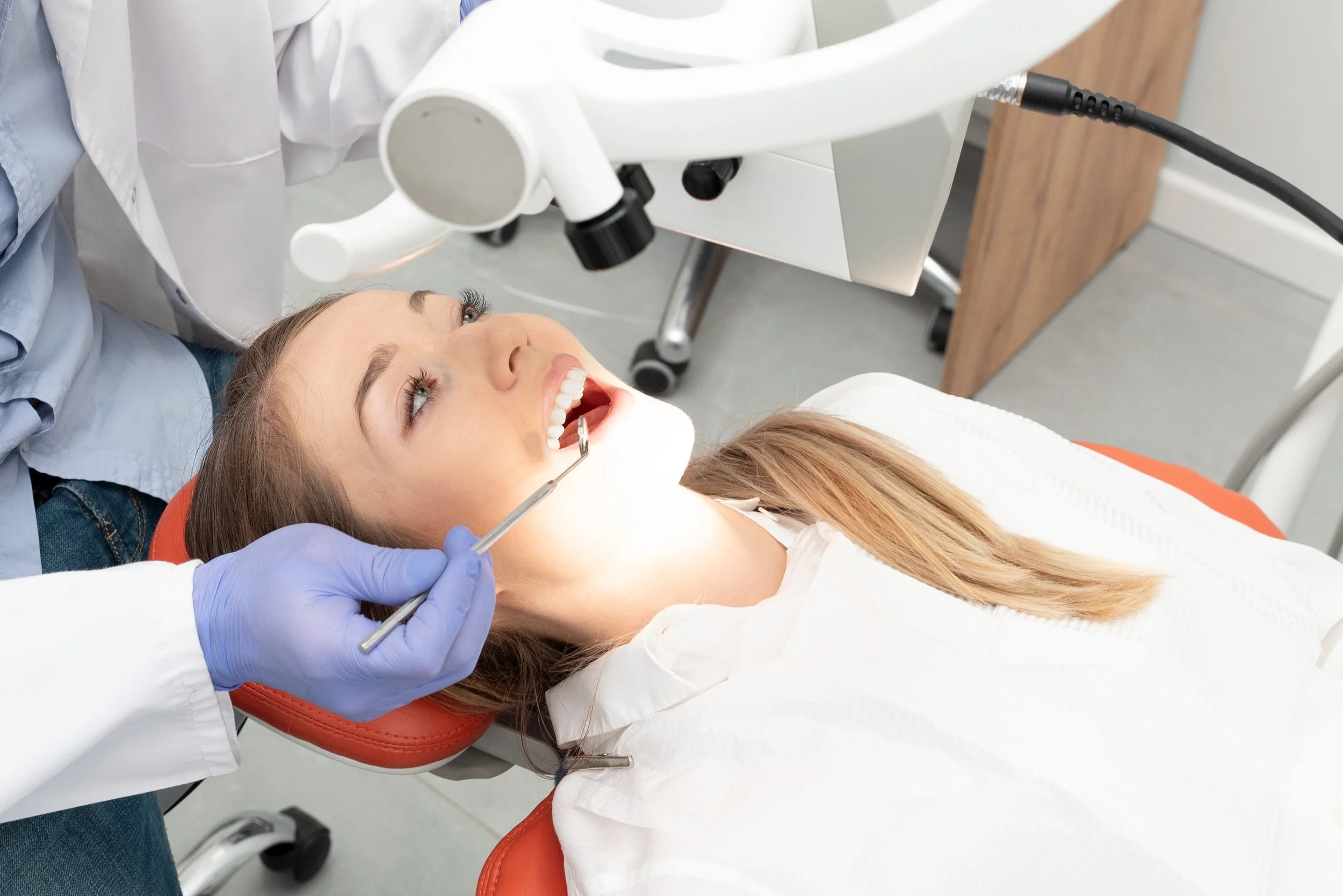
A dentist will thoroughly examine your mouth, gums, lips, tongue, roof of your mouth, and the back of your throat using a bright light and mirror to carefully inspect for abnormalities, color changes, textural differences, or unusual growths.

They will use their hands to feel the tissues around your mouth and neck, checking for lumps, bumps, or tenderness. The dentist will pay special attention to areas at higher risk of cancer, such as the floor of the mouth, sides of the tongue, and soft palate. They will also check for enlarged lymph nodes.

Oral cancer screenings can be carried out at your bi-annual cleaning or as needed. Simply set up an appointment with us to get your screening.

Training and Skill Development for Dental Professionals

Of course, dentists and other dental care professionals need proper training to administer and analyze these enhanced technologies. At Mountain View Family Dental, we continually train our providers with new skills and information to stay updated on new technologies and advancements in our field.

We do this by encouraging our staff to gain certificates and specialized training for oral cancer diagnosis and treatment, using online platforms and virtual training, consulting with medical professionals when necessary to get interdisciplinary expertise, and attending workshops and sessions to stay updated through hands-on training and peer learning.

Patient Education

Oral cancer is a difficult topic, but the more you know about it, the more likely you’ll be to recognize symptoms if you have them. We empower our patients with knowledge so you’ll always feel in charge of your health.

Here are a few ways we offer information about oral cancer and other serious dental issues:

  • Open Communication: Give us a call any time you’ve got a question. We’re more than happy to talk about your concerns and provide a professional opinion
  • Same-Day Appointments: You can find help fast with us. We’re here when you’ve got pain or notice something new in your mouth
  • Accessible Care: No dental insurance? Don’t let this stop you from getting oral cancer screenings. Our patient loyalty program is designed for patients without insurance and offers packages that include an annual oral cancer screening
  • Our Blog: Our blog offers insight into many different topics related to dental health. Check out this resource to stay informed about industry news and advancements in dentistry

Lastly, we want to emphasize the importance of regular dental appointments and regular oral cancer screenings. Keeping up with your dental cleanings every six months is key to early detection of oral cancer.

The faster any changes are detected, the faster we can diagnose and treat you so you can return to a healthy, fulfilling life.

Contact Us for an Oral Cancer Screening

Oral cancer is a scary topic, but when you’re empowered with knowledge and our enhanced technologies, rest assured that we can help you avoid this disease or find treatment quickly. Regular oral cancer screenings can help detect the disease in its early stages and lead to successful treatment.

Mountain View Family Dental can help you stay on top of all aspects of your oral health. Contact us to set up your oral cancer screening and take charge of your oral health today.