
Oral cancer cases have been on the rise at a rate of about 1% per year since the mid-2000s. This rise in the disease can be attributed to many factors, including tobacco use, alcohol consumption, dietary habits, middle age, and other linked conditions such as human papillomavirus (HPV). Oral cancer is considered deadly, with a five-year survival rate of about 68%.
Early detection is key when it comes to beating oral cancer. However, in the early stages, there are often no visible signs of oral cancer, or the signs seem like small, benign issues. These problems can further delay dental and medical professionals' attention. Dental offices need to constantly adapt to new technologies and screening techniques to stop oral cancer in its tracks.
As dentists, we take oral cancer very seriously. Although this topic can be grim, we empower our patients with the knowledge they need to decrease the risk of oral cancer. We also take preventative measures in our office to identify and prevent oral cancer risks.
Read on to learn how Mountain View Family Dental uses dental technology to screen for oral cancer and catch it early, along with how we as oral medicine specialists help you to prevent this disease from interrupting your life.
The Growing Need for Oral Cancer Screenings
The need for comprehensive oral cancer screenings is increasing, particularly among young adults. This increase can be attributed to risk factors such as:
- HPV Link: A significant amount of oral and oropharyngeal cancers are linked to HPV, which is also on the rise
- Gender: Men are more than twice as likely to develop oral cancer as women, partly because they’re more likely to partake in behaviors linked to oral cancer, such as tobacco and alcohol use
- Age: Oral cancer typically occurs in people over 55 years of age. This means a large population of adults is at increased risk as the baby boomer generation ages
- Tobacco Use: The rise in the use of cigarettes, vaping, e-cigarettes, and other tobacco products increases the risk of all types of oral cancer. Chewing tobacco is linked to cancer in the cheeks, gum, and lips, and smoking through a pipe is associated with cancer in the lip where the pipe rests
- Alcohol Consumption: Heavy, frequent drinking increases the risk of oral and throat cancer
- Sun Exposure: Unprotected sun exposure can increase the chances of cancer in the lips
- Genetics: People with a family history of oral cancer are more likely to get it themselves
Why Early Detection is Key
Oral cancer is often not discovered until its late stages because of symptoms that are hard to spot. This means that the disease can become deadly.
It’s important to recognize the signs of oral cancer:
- Bleeding, pain, or numbness in your oral cavity
- Lumps in the neck
- Mouth pain or sores that last more than two weeks
- Sore throat or hoarse voice that won’t go away
- A sensation of something being stuck in your throat
- Swelling in the jaw
- Trouble swallowing, chewing, or speaking
- White or red patches or lumps anywhere in your mouth
Looking for these signs can help signal abnormalities in your oral cavity. This is why it is crucial to keep up with regular bi-annual dental appointments.
You may mistake early signs for poor oral hygiene. Oral health professionals take a closer look and can seek these out in areas you may not be able to see on your own, ensuring early detection and successful treatment.
Small, localized cancer can typically be treated with surgery alone, but cancer that has already spread may be untreatable.
Enhancements in Oral Cancer Screening Techniques
The goal of oral cancer screening is to identify patients with signs of disease as early as possible. For decades, oral cancer screenings have been conducted using a variety of methods, the most common being a clinical examination.
A clinical exam is simply a visual examination and assessment of the mouth. It will include probing the oral cavity and surrounding tissues for abnormalities. This method can be conducted in primary care settings and is simple to carry out. Your provider will suggest a deeper examination if oral cancer is suspected.
New screening and testing methods are being used to detect oral cancer earlier than before as research technologies emerge. Here are a few of the most notable screening methods gaining popularity.
Optical Imaging
Optical imaging techniques detect oral cancer with high-resolution imagery of oral tissue. These techniques detect early signs of changes in tissue and cell architecture.
One optical imaging method that has gained popularity in recent years is fluorescence imaging. This technique uses blue light to detect precancerous and cancerous lesions.
Fluorescence imaging is a non-invasive screening and may reduce the need for a biopsy, as long as the cancerous lesions can be detected visually. It also allows the surgeon to see the extent of the tumor in real-time, helping to speed up the screening process. This method is also cost-effective, reducing the need for further tests.
Like any technology, fluorescence imaging has its limitations. It cannot detect cancerous lesions covered by thick keratin or collagen layers. It is also not a replacement for tissue examination—some patients may need an additional oral cancer screening to confirm a diagnosis, though fluorescence imaging is a helpful starting point for many.
Brush Biopsies
Brush biopsies are also gaining prominence in non-invasive oral cancer testing. This test can be administered by a dentist to identify oral cancer quickly and easily, without the need for surgery.
The healthcare professional will collect cells from potentially cancerous lesions in the mouth using a small brush. The brush is rotated 360 degrees on suspicious lesions and then placed on a glass slide so it can be analyzed for genetic signs of oral cancer.
A brush biopsy is a quick, painless procedure that is a useful tool for dentists. It can help us identify lesions that are suspicious but not clearly cancerous.
There are some limitations with brush biopsies. A positive result doesn’t necessarily confirm cancer—a positive result will often warrant a traditional biopsy. However, this method helps rule out cancer when a test is negative.
Bioimpedance
Another early detection method is bioimpedance. This involves investigating how living tissue reacts to an electrical impulse.
Bioimpedance tests for cell health and can quickly provide results with low costs and low skill requirements for dentists and nurses to administer and analyze the test. This makes bioimpedance appropriate for small practices with limited resources, offering good accuracy while requiring little equipment.
While this method is still being studied, it is a promising tool in oral cancer diagnosis for its many benefits.
Artificial Intelligence
Artificial intelligence (AI) is increasingly revolutionizing oral cavity cancer detection through image analysis and other methods.
AI-based tools can analyze saliva for changes that indicate cancer, provide an objective and consistent second opinion, and help automate the diagnostic process for faster results.
AI can improve the accuracy of oral cancer detection and reduce the likelihood of error. This makes it an incredibly valuable tool in the oral cancer screening process.
How We Provide Oral Cancer Prevention
It’s our duty and privilege to keep your mouth healthy as dentists. At Mountain View Family Dental, we employ a few strategies to keep you informed about oral cancer and stay updated with new advancements in cancer prevention.
Providing Oral Cancer Screenings
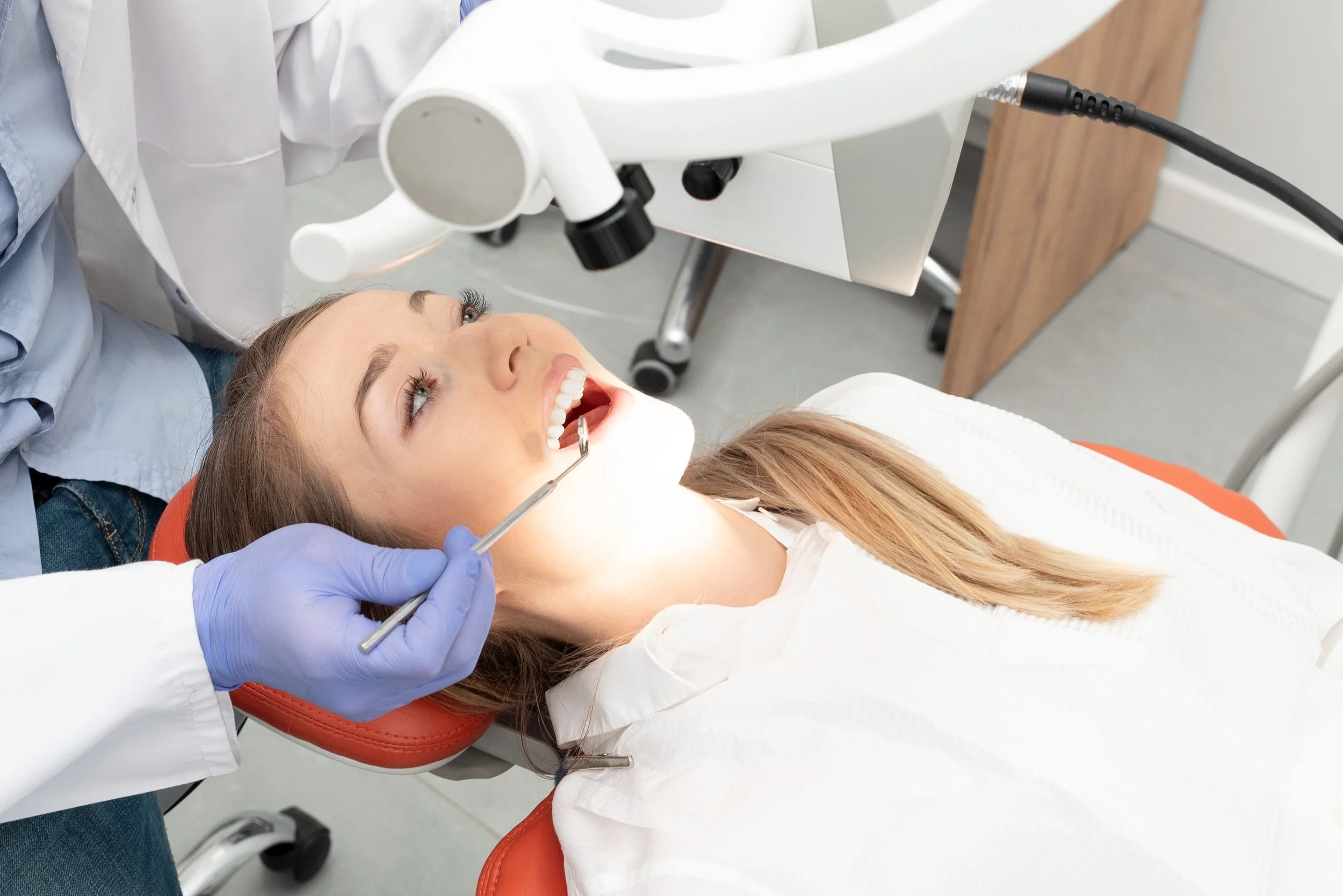
We offer screenings at our office as the first line of defense against the disease. During your oral cancer screening, you can expect a visual and physical exam where we assess your risk factors.
A dentist will thoroughly examine your mouth, gums, lips, tongue, roof of your mouth, and the back of your throat using a bright light and mirror to carefully inspect for abnormalities, color changes, textural differences, or unusual growths.
They will use their hands to feel the tissues around your mouth and neck, checking for lumps, bumps, or tenderness. The dentist will pay special attention to areas at higher risk of cancer, such as the floor of the mouth, sides of the tongue, and soft palate. They will also check for enlarged lymph nodes.
Oral cancer screenings can be carried out at your bi-annual cleaning or as needed. Simply set up an appointment with us to get your screening.
Training and Skill Development for Dental Professionals
Of course, dentists and other dental care professionals need proper training to administer and analyze these enhanced technologies. At Mountain View Family Dental, we continually train our providers with new skills and information to stay updated on new technologies and advancements in our field.
We do this by encouraging our staff to gain certificates and specialized training for oral cancer diagnosis and treatment, using online platforms and virtual training, consulting with medical professionals when necessary to get interdisciplinary expertise, and attending workshops and sessions to stay updated through hands-on training and peer learning.
Patient Education
Oral cancer is a difficult topic, but the more you know about it, the more likely you’ll be to recognize symptoms if you have them. We empower our patients with knowledge so you’ll always feel in charge of your health.
Here are a few ways we offer information about oral cancer and other serious dental issues:
- Open Communication: Give us a call any time you’ve got a question. We’re more than happy to talk about your concerns and provide a professional opinion
- Same-Day Appointments: You can find help fast with us. We’re here when you’ve got pain or notice something new in your mouth
- Accessible Care: No dental insurance? Don’t let this stop you from getting oral cancer screenings. Our patient loyalty program is designed for patients without insurance and offers packages that include an annual oral cancer screening
- Our Blog: Our blog offers insight into many different topics related to dental health. Check out this resource to stay informed about industry news and advancements in dentistry
Lastly, we want to emphasize the importance of regular dental appointments and regular oral cancer screenings. Keeping up with your dental cleanings every six months is key to early detection of oral cancer.
The faster any changes are detected, the faster we can diagnose and treat you so you can return to a healthy, fulfilling life.
Contact Us for an Oral Cancer Screening
Oral cancer is a scary topic, but when you’re empowered with knowledge and our enhanced technologies, rest assured that we can help you avoid this disease or find treatment quickly. Regular oral cancer screenings can help detect the disease in its early stages and lead to successful treatment.
Mountain View Family Dental can help you stay on top of all aspects of your oral health. Contact us to set up your oral cancer screening and take charge of your oral health today.


