
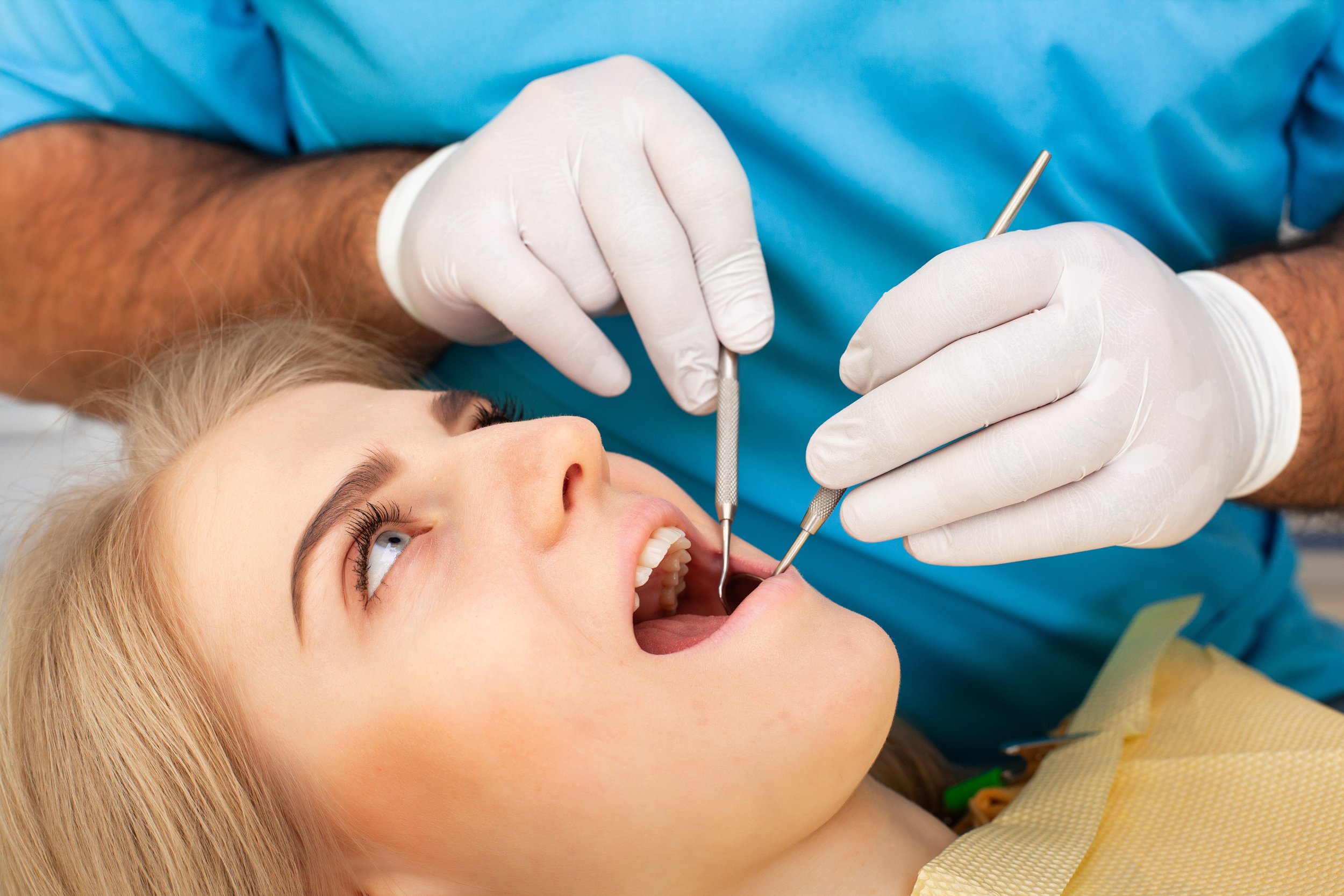
Wisdom tooth removal surgery is a common rite of passage for most teens and young adults.
This surgery is carried out because wisdom teeth can cause much pain for those whose mouths cannot accommodate the teeth when fully grown in. Ideally, the teeth will be removed as early as possible, though some patients decide to wait until adulthood for the procedure.
While wisdom tooth surgery can seem like a big deal, at Mountain View Family Dental we try to make the experience as comfortable and easy as possible for you.
We know that surgery can make some patients anxious—we’re here to help you understand exactly what to expect before, during, and after your wisdom tooth removal. Knowing what to expect makes the experience feel less nerve-wracking and sets you up for success during the recovery process.
Mountain View Family Dental is home to expert staff who are well-versed in the modern processes of wisdom tooth removal and patient care.
Rest assured that you’ll have a pain-free smile in no time with our help.
What are your wisdom teeth and why do they need to be removed?
Wisdom teeth are a set of molars in the back of the mouth and are the last ones to erupt or come through the surface of your gums.
They usually erupt in your late teen years or early twenties. While they are part of normal growth and development, wisdom teeth can cause problems for some patients.
Wisdom teeth often get stuck in the gums or jawbone and don’t grow in. These are known as impacted wisdom teeth. This can result in infection, gum disease, and other health issues, which is why we remove them.
Wisdom teeth can support the back of the mouth and preserve the jawbone if they do erupt into proper positions. However, we do not generally need wisdom teeth. They may have served a purpose to our ancestors, but we no longer need them.
Some patients may not get wisdom teeth at all. Others may have the teeth but experience no issues and therefore do not need removal surgery.
The best time to carry out impacted wisdom teeth removal is in the late teens or early twenties for those who require it, based on a variety of factors:
- Immature Roots: Wisdom teeth extraction is easier because of softer, flexible tooth roots at this age
- Bone Density: Younger patients have less dense bones to work around during extraction
- Lower Risk of Complications: Younger patients are less likely to experience nerve damage, bleeding, and post-op pain
- Smoother Recovery: When an extraction goes smoothly—as it tends to with young patients—it can improve the overall outcome
- Avoid Future Issues: Early removal prevents infections, crowding, and damage to other teeth
- Maintain Oral Health: Proactive treatment lowers the need for more complex surgeries later. It also helps prevent tooth decay caused by crowded teeth that are more difficult to reach with a toothbrush
The wisdom tooth removal process doesn’t just start when you’re in the operating room. There are a few steps to take before oral surgery.
Prep for Removal
Before your surgery, we’ll have a consultation with you to talk through how the wisdom tooth removal and healing process will work and answer any questions you have.
We’ll also examine your health history and discuss any current health issues or medications. Certain conditions or drugs may require us to change our process, but we’ll make sure we accommodate your needs to keep you safe and comfortable through the whole process.
We’ll use X-ray technology to take detailed pictures of your teeth to count how many wisdom teeth you have during the consultation—patients can have up to four. These images will help us determine the best course of action for removal.
Anesthesia Options for the Removal
We’ll also talk about anesthesia. There are a few routes to choose from. You can opt for local anesthesia to numb the area and stay awake for the surgery. This is best for simple extractions and patients who are not anxious. The benefit is that recovery becomes simple and quick, but you may also feel pressure and mild discomfort during the procedure.
We also offer oral sedation in which you’ll take a pill like Valium or Halcion before the procedure to make you feel sleepy. This will allow you to relax and sleep during the procedure and may leave you feeling groggy after.
Finally, we offer IV sedation. You’ll receive medication through an IV line in your arm, which will be constantly monitored during the procedure. You’ll be in a deep sleep through the procedure, so you will not feel or remember anything. It will include a longer recovery time, but this option is great for those with anxiety.
Once we have the procedure planned and have discussed your anesthesia preferences, you will also need to plan to be off work, school, or other commitments for a few days after your surgery to recover. You’ll want someone to drive you to and from the appointment, additional care for your pets or children, and a few days off to rest.
Extraction of the Impacted Teeth
Wisdom tooth removal surgery is relatively simple in most cases. After your preferred anesthesia method is administered, the dentist or oral surgeon will open up the gum tissue surrounding the tooth, and any bone covering the tooth will be removed if necessary.
The tooth may be divided into small pieces to simplify removal. After the tooth is fully removed, the dentist will use stitches to close the wound, which eventually dissolves.
The length of the surgery depends on a few factors. It may take anywhere from 20–45 minutes, depending on your number of wisdom teeth and the complexity of the procedure. you’ll need to allow for more time to administer IV sedation if you choose this—plan to be at the office for about 90 minutes.
Our experienced oral surgeon team is adept at handling even the most complex wisdom teeth removal cases, extracting the teeth efficiently while keeping you safe and comfortable. We ensure that everything from the anesthesia to the wound closure is carried out meticulously, reducing the risk of pain and increasing the chance of optimal outcomes.
Myths About Having Your Wisdom Teeth Removed
Many patients have heard myths about the wisdom tooth procedure that makes it more scary—we’re here to dispel those myths.
Wisdom tooth removal can be uncomfortable, but it is not a scary or life-altering experience. Your looks will not change—you may be swollen after the procedure, but this should return to normal within a few days.
Additionally, you’re never too old to get the surgery. We have solutions that can make the process easy for you too if you’re an adult who never had your wisdom teeth removed.
To sum up, most patients find the procedure easy—after all, your only job here is to relax and let us do the work.
Have a Smooth Recovery After Tooth Extraction
It is crucial that you follow steps to have a smooth and healthy recovery after oral surgery. A blood clot will form in the sockets where your wisdom teeth were. Your recovery will revolve around keeping this blood clot in place to prevent infection and inflammation.
You must avoid these actions for the first 48 hours after wisdom teeth extraction:
- Rigorous rinsing of the mouth, which can rinse away the blood clot
- Drinking through straws, as suction can dislodge the clot
- Smoking, which can damage the clot
- Disturbing the clot with your tongue or fingers
- Laying flat—elevate your head with a pillow
- Strenuous activity
- Drinking alcoholic beverages
- Spitting when brushing teeth
Control Bleeding
You may notice some bleeding oozing from the tooth socket on the first day after surgery. This is normal. You can bite down on damp gauze, repeating with fresh gauze every 20 minutes as needed. Swelling is also common and may last several days after surgery. You can help reduce swelling with ice packs as needed.
Pain Management
Most patients experience some discomfort after surgery. This is normal, especially when the anesthesia wears off. Take prescribed medication as directed to control discomfort. Do not operate a vehicle or heavy machinery while taking pain medication because they can make you drowsy.
Sutures
Your sutures will also need to be monitored in your recovery. Most sutures fall out or dissolve in about seven days. Be careful as you eat that you do not accidentally dislodge the sutures prematurely. You can still brush your teeth, but brush lightly as you get close to the surgery area, and do not spit—let the foam fall out of your mouth.
Post-Op Diet
Wisdom tooth removal surgery will also impact your diet. Here are the dos and don’ts of wisdom tooth post-op diet:
- DO stick to clear liquids like water, apple or cranberry juice, clear sodas, or ginger ale
- DO eat soft foods the first few days after surgery, including applesauce, mashed potatoes, popsicles, milkshakes, and Jell-O
- DO continue to eat non-chewy foods for one week after surgery, such as scrambled eggs, pasta, and bananas
- DO NOT eat popcorn, nuts, seeds, or chips for at least two weeks after surgery to prevent infection in the surgical site due to food debris
- DO NOT chew gum for two weeks after surgery
- DO NOT rinse your mouth in the first 24 hours after surgery. After that, rinse gently with warm salt water and brush your teeth gently two to three times a day
Possible Complications of Having Your Wisdom Teeth Removed
Infection is always a possibility after any surgical procedure. This doesn’t happen in most cases of wisdom tooth surgery, but it can occur. A dentist or oral surgeon may prescribe antibiotics if you’re prone to infection. Take all the antibiotics until finished, and monitor any side effects that may occur.
Signs of Infection
It’s important to know the warning signs of infections in case they do occur. Contact Mountain View Family Dental immediately if you experience any of the following symptoms or, in extreme cases, go to the ER:
- Bleeding that cannot be controlled by firmly biting on gauze for about an hour
- Pain that worsens or cannot be controlled by the prescribed dose of medication—do not take higher doses
- Persistent nausea or vomiting
- An increase in swelling after the first 72 hours after surgery, or swelling that makes swallowing difficult
- A foul-tasting discharge that is unrelieved by normal oral hygiene
- Fever greater than 101 degrees Fahrenheit
Dry Socket
Dry socket is a common effect of wisdom tooth removal occurring when the blood clot breaks down prematurely. This usually happens between the third and fifth day after surgery.
It is more common in female patients, patients who smoke, or who have medical conditions that impact healing. They are more likely to occur if you are physically active after surgery.
Symptoms include severe pain that radiates to your ear. Call us right away if you have these symptoms—we can easily fix this and relieve your pain quickly!
Book Your Wisdom Tooth Consultation Today
At Mountain View Family Dental, we’ll make your wisdom tooth removal process easy and efficient so you can get back to life quickly and be free of tooth pain. Contact us today to schedule your consultation.


