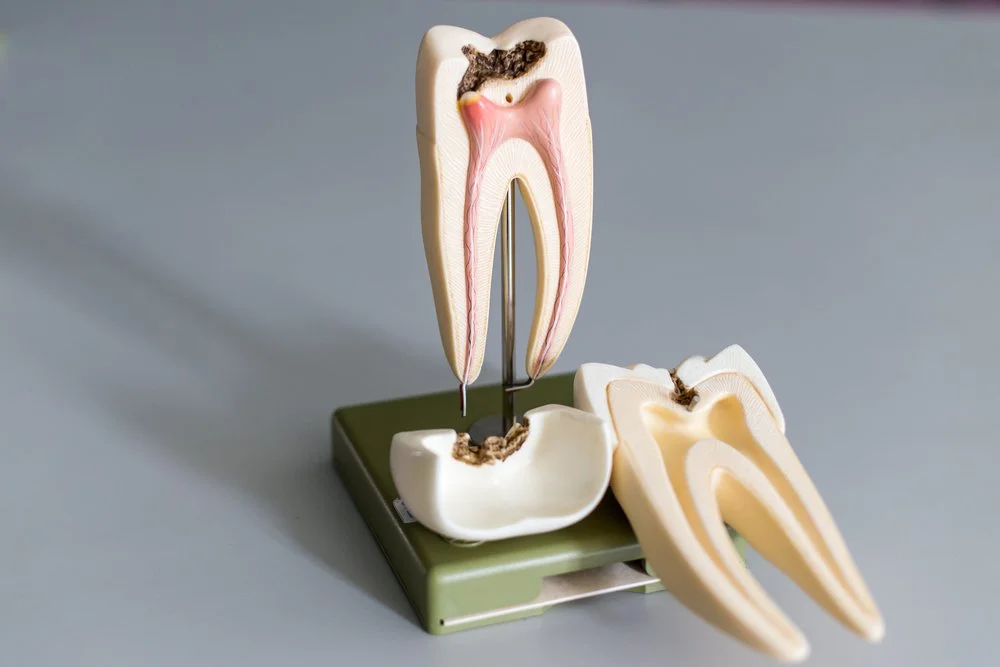
A dentist who does root canals can help you understand whether it is better to save your tooth or remove it. When tooth pain, infection, or deep damage starts affecting your comfort, the choice between root canal therapy vs extraction can feel overwhelming.
From your first visit to Mountain View Family Dental, the goal is to make that decision clearer. With gentle care, modern technology, and a patient-first approach, your dentist can evaluate the affected tooth and explain which treatment option supports your comfort, function, and long-term oral health.
Comparing Clinical Outcomes: Therapy vs. Extraction
Root canal therapy vs extraction comes down to one key question: can the natural tooth still be saved?
Root canal therapy is designed to treat infection inside the tooth while keeping the original tooth in place. During root canal treatment, the infected tissue is removed, the inside of the tooth is cleaned, and the space is sealed to help prevent further infection.
Tooth extraction is different. It removes the tooth completely when it is too damaged, cracked, or infected to remain healthy. Patients who choose root canal treatment are six times more likely to describe it as painless compared to those who opt for tooth extraction — making it a less intimidating option for most patients.
When possible, saving the natural tooth is often preferred. But when removal is the healthier choice, your dentist can discuss options through extraction and preservation.
What Is an Endodontic Procedure?
An endodontic procedure is a known dental treatment that focuses on the inside of the tooth, where the tooth pulp, nerves, and blood vessels are located. Root canal treatment becomes necessary when the pulp — the soft tissue inside your tooth — becomes infected or damaged due to decay, trauma, or other factors.
When the pulp becomes inflamed or infected, it can lead to tooth pain, swelling, and further infection if left untreated. Root canal treatment helps remove the infected pulp, clean the inner canals, and seal the tooth so bacteria cannot continue spreading.
Symptoms indicating the need for a root canal include severe tooth pain, prolonged sensitivity to hot or cold, discoloration of the tooth, and swelling or tenderness in the surrounding gums. If left untreated, an infected tooth can lead to serious complications such as abscesses, bone loss, and systemic infections — making timely endodontic treatment crucial for preserving dental health.
The Long-Term Benefits of Natural Tooth Preservation
Your natural tooth does not simply fill a space in your smile; it also helps you chew, speak, and maintain a balanced bite. Keeping your natural tooth structure can also help protect nearby teeth from shifting out of place.
When a tooth can be saved, root canal therapy may support better long-term oral health by preserving the original tooth and reducing the need for more complex replacement later.
Tooth extraction can lead to long-term consequences such as changes in bite alignment and the need for costly replacements like a dental implant or bridge. Root canal therapy, by contrast, preserves the original tooth and reduces the need for more complex restorative care later.
Saving a tooth may help maintain:
- Normal bite function
- Jaw and gum support
- Stability for nearby teeth
- A more natural feel when chewing
When Tooth Extraction May Be the Better Choice
Sometimes, tooth extraction is the safest and most practical option. If a tooth is severely damaged, split below the gumline, weakened by advanced tooth decay, or affected by trauma, root canal treatment may not provide lasting support.
Extraction may also be recommended when infection cannot be controlled or when keeping the tooth could create other complications for your dental health.
In those cases, a missing tooth does not have to stay that way. Our highly skilled dentists at Mountain View Family Dental can discuss tooth replacement options such as a <dental implant, bridge, or other restorative solutions.
Identifying the Signs of a Cracked Tooth or Infection
A cracked tooth can be easy to ignore at first, especially if the discomfort comes and goes. You may feel tooth pain when biting down, notice sensitivity to hot or cold meals, or see swelling around the gums.
The concern is that a crack can give bacteria a path into the tooth. Once an infected tooth develops, inflammation may spread deeper and make treatment more urgent.
Watch for:
- Sharp pain when chewing
- Swelling near the gums
- Lingering sensitivity
- Pain or discomfort that keeps returning
The sooner a cracked tooth or tooth infection is evaluated, the better your chance of finding a treatment that protects your oral health.
How Root Canal Treatment Helps Stop Further Infection
Root canal treatment is often recommended when infection reaches the inner part of the tooth. This area contains the tooth pulp, which can become diseased pulp or infected pulp after deep decay, trauma, or a crack.
Without treatment, the infection may spread further into the surrounding tissues, causing swelling, worsening pain, and further infection. In some cases, this can affect nearby teeth or lead to tooth damage that makes saving the tooth impossible.
During treatment, the infected material is removed, the canals are properly cleaned, and the tooth is sealed — stopping the spread and beginning the healing process.
The Root Canal Procedure With Local Anesthesia
The root canal procedure is usually more comfortable than many patients expect. It begins with diagnosing the affected tooth through an exam and imaging, so your dentist can see where the infection is and how much tooth damage is present. A root canal typically takes 60 to 90 minutes and may require one or two visits depending on the complexity.
Before treatment starts, local anesthesia is used to numb the area and support patient comfort. Once the tooth feels numb, the dentist creates a little opening, removes the infected pulp, and then cleans and shapes the inner canals.
After that, the space is sealed with a filling material. In many cases, a crown is recommended later to protect the treated tooth and restore strength for everyday biting and chewing.
Following a root canal, it is important to follow your provider's aftercare instructions to ensure proper healing and to prevent complications such as re-infection. Mild soreness for a few days is common, but most patients feel well enough to return to work the same day.
Managing Dental Anxiety: Comfort and Sedation
If you feel nervous about dental treatment, you are not alone. Experiencing tooth pain stressful enough, and the thought of a procedure can make some patients delay care longer than they should.
At Mountain View Family Dental, we focus on gentle techniques, clear communication, and comfort-first care. Your dentist can talk with you about pain management, what to expect, and sedation options that may help you feel calmer during treatment.
For patients who need extra support, sedation dentistry can make the experience feel more relaxed and manageable from start to finish.
General Dentists, Endodontists, and Oral Surgeons
A regular dentist or general dentist can often perform root canal treatment, especially when the case is straightforward. Endodontists specialize in diagnosing and treating conditions involving tooth pulp and the tissues surrounding the roots of teeth. They receive at least two additional years of advanced training after dental school. While general dentists are qualified to conduct basic root canal operations, the complexity of the case often determines whether a general dentist or an endodontist should perform the procedure.
Specialized clinics often use advanced tools like digital 3D imaging (CBCT scans) and high-powered operating microscopes for root canal procedures. Membership in the American Association of Endodontists (AAE) also indicates a commitment to high standards and compassionate care.
Oral surgeons and a dental surgeon usually focus on surgical care, including tooth extraction, impacted teeth, and more involved procedures. They may be needed when a tooth cannot be saved or when surgical support is the better path.
Mountain View Family Dental can evaluate your needs, explain your two treatment options, and coordinate care if another provider is needed.
Frequently Asked Questions
Is root canal treatment painful?
Many patients are surprised by how manageable the procedure feels. Local anesthesia is used to numb the area, and comfort options may be discussed when needed.
How long does recovery take?
Mild soreness or discomfort is common for a few days. Most patients return to normal routines shortly after treatment and feel well enough to work the same day.
Is it better to save a tooth or remove it?
In many cases, saving the natural tooth is preferred. However, tooth extraction may be better if the tooth is terribly damaged or the infection cannot be controlled.
Will I need a crown after getting a root canal?
Often, yes. A crown helps safeguard the treated tooth and restore strength, especially for back teeth used for chewing.
What happens if I leave a tooth infection untreated?
The infection may spread, causing more pain, swelling, further infection, possible abscess, and eventual tooth loss.
Choosing a Root Canal Dentist in Tempe Patients Trust
If you are searching for a root canal dentist in Tempe, Mountain View Family Dental offers thoughtful guidance, gentle care, and technology-supported treatment planning with exceptional care at every step.
A dentist who does root canals can help you compare your options clearly and choose the path that protects your comfort, smile, and oral health. Contact Mountain View Family Dental today to schedule a visit.